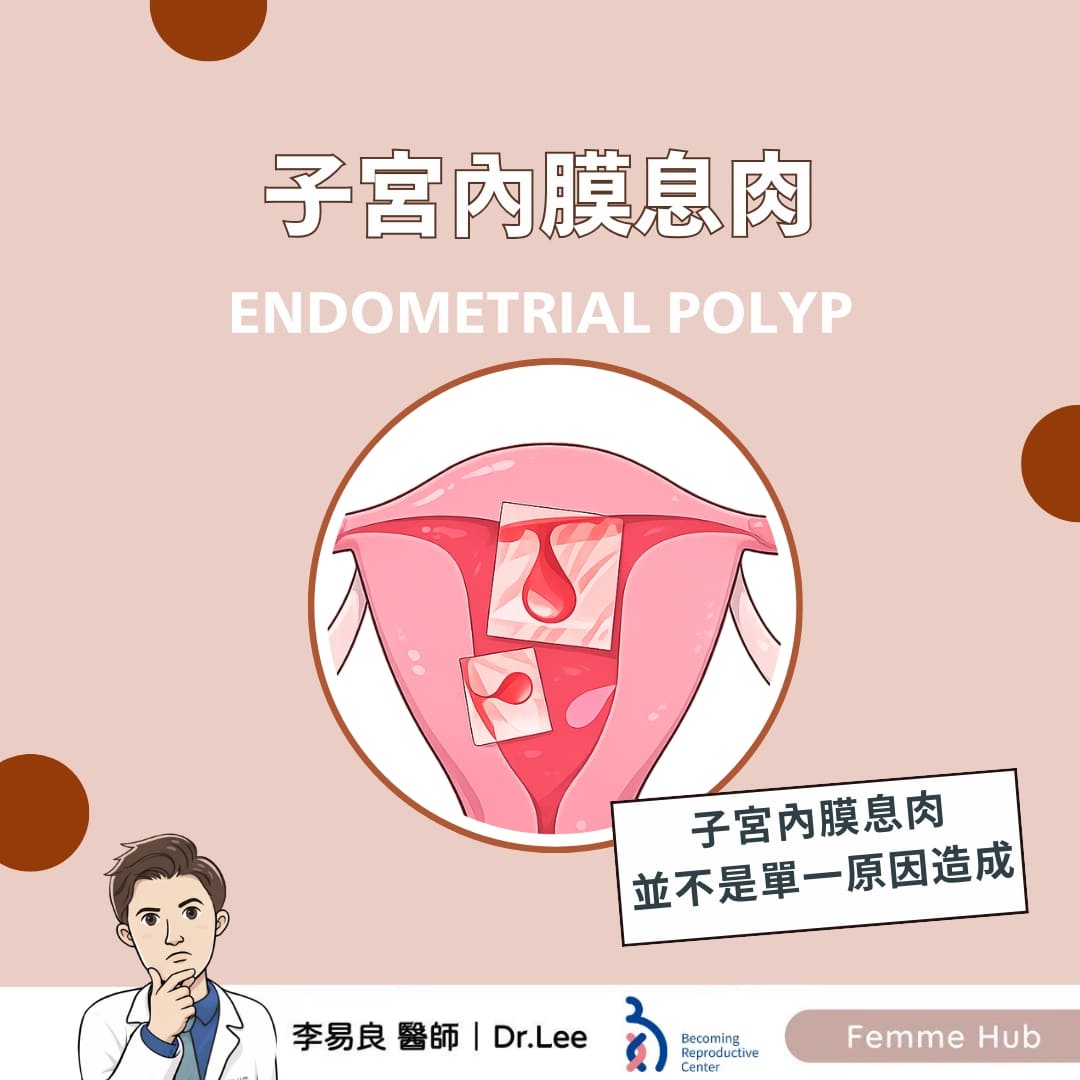
Endometrial Polyps: More Than Just an Estrogen Issue
Today, let’s talk about the causes of endometrial polyps.
Endometrial polyps are not caused by a single factor. They are the result of multiple factors working together, including hormones, genes, cellular signaling, and risk factors.
1️⃣ Hormonal factors, the most important factor
Excessive estrogen stimulation can lead to localized overgrowth of the endometrium.
Polyp tissue is especially sensitive to estrogen.
An imbalance between estrogen and progesterone can also increase the risk of polyp formation.
Simply put:
A long-term estrogen-dominant environment is the main cause of endometrial polyp formation.
2️⃣ Genetic and molecular mechanisms
Approximately 74% of polyps have genetic abnormalities.
Essentially, endometrial polyps are a form of benign overgrowth with tumor-like characteristics.
3️⃣ Abnormal cellular signaling
When communication between stromal cells and epithelial cells becomes abnormal, the cells may continue to receive signals that stimulate growth, eventually forming polyps.
4️⃣ Risk factors
Increasing age
Obesity
Ovulation disorders, such as polycystic ovary syndrome
Use of Tamoxifen, a breast cancer medication
Postmenopausal endogenous estrogen influence
Never having given birth
Multiple polyps
This can be summarized in one sentence:
Any condition involving elevated or imbalanced estrogen can increase the risk of endometrial polyps.
BRCIVF wishes your dreams come true!