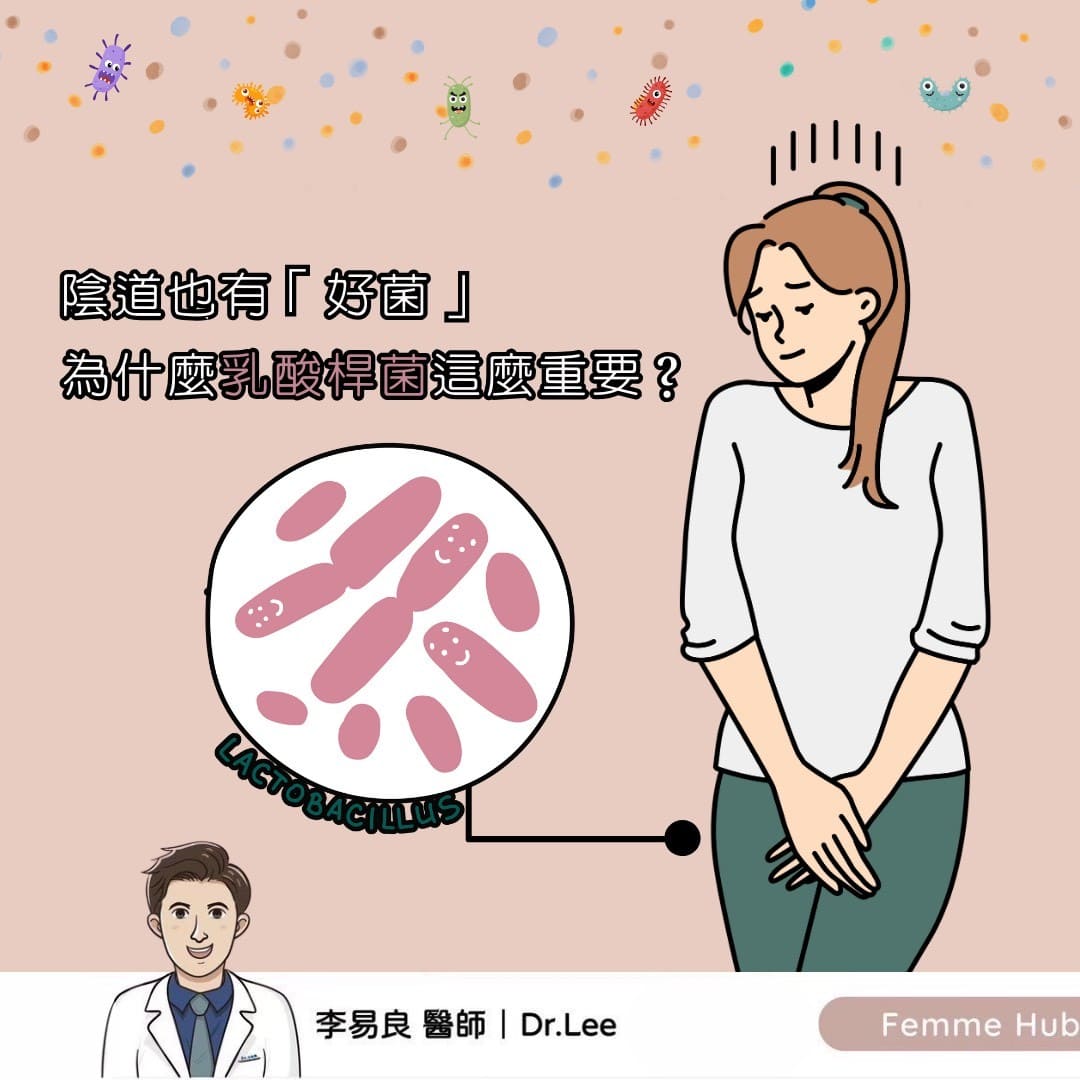
What Problems Can Vaginal Microbiome Imbalance Cause? Are Probiotics Really Effective?
🚨 What problems can microbiome imbalance cause?
Studies show that when the proportion of Lactobacillus decreases, related risks may increase significantly, including:
- • Bacterial vaginosis, BV
- • Recurrent vaginitis and abnormal discharge
- • Urinary tract infections
- • Sexually transmitted infections, such as HPV and HIV
Pregnancy-related risks may include:
- • Preterm birth • Embryo implantation failure
- • Poor pregnancy outcomes
So sometimes, it is not simply that your “immune system is weak.” It may be that the first line of defense in the vagina has been disrupted.
During pregnancy, the vaginal microbiome becomes even more important.
In a normal pregnancy, the vaginal microbiome usually becomes:
- • More dominated by Lactobacillus
- • More stable in pH
This is actually the body’s way of protecting both the mother and baby by reducing the risk of infection spreading upward and affecting the fetus.
Are probiotics useful?
Clinically, specific Lactobacillus probiotics may indeed serve as:
- • Supportive treatment for vaginal microbiome imbalance
- • A supportive strategy to reduce recurrence risk
But the key point is:
Not every probiotic is the same. The strain, formulation, and timing of use all matter.
Dr. Li’s key points:
- ✔ A healthy vagina does not mean a sterile vagina
- ✔ The key is whether there is enough Lactobacillus
- ✔ Higher Lactobacillus levels → stronger protection
- ✔ Lower Lactobacillus levels → increased risk of infection, recurrence, and pregnancy-related complications
- ✔ Probiotics are a tool, not a cure-all
BRCIVF wishes your dreams come true!