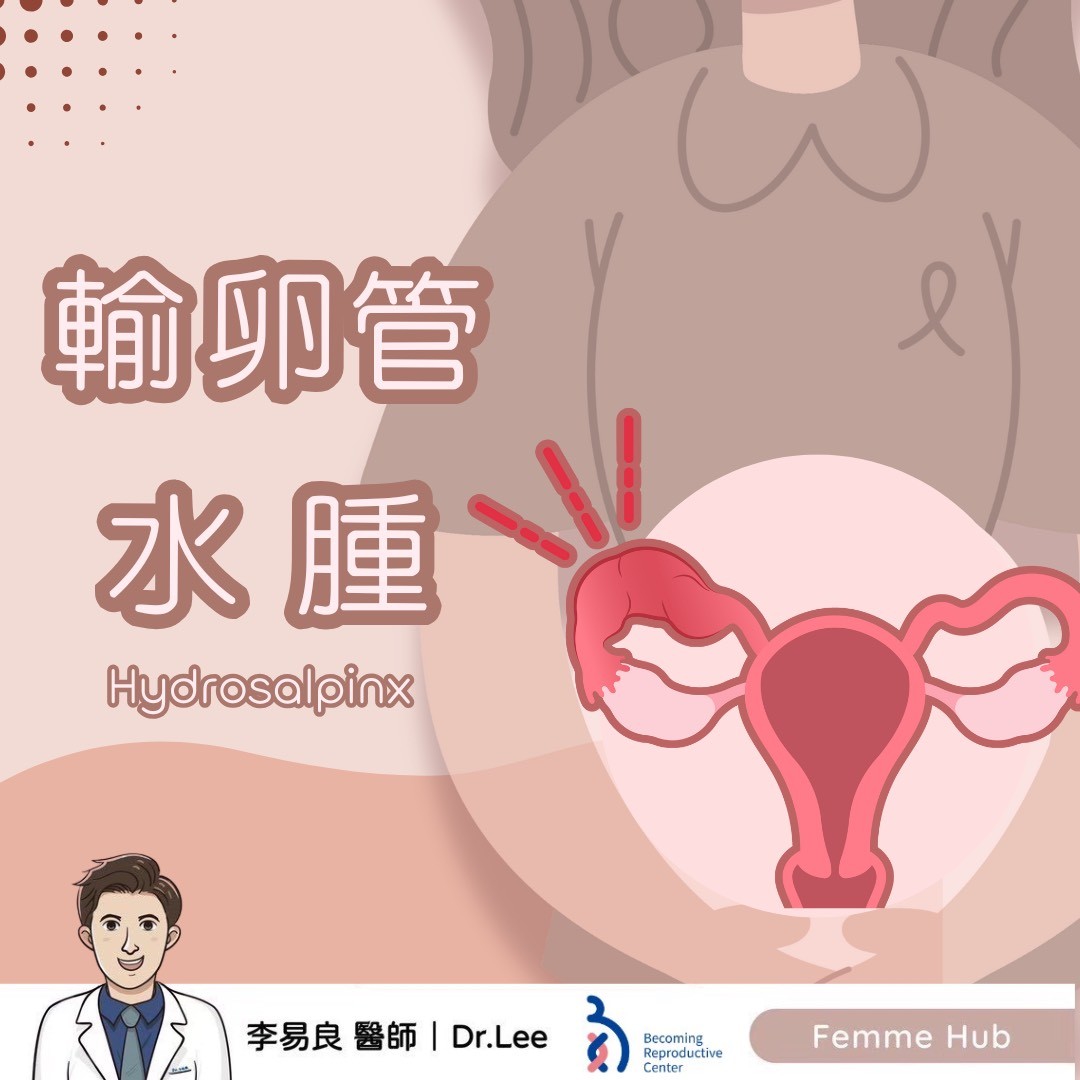
⚠️ Why Should Hydrosalpinx Be Taken Seriously?
In addition to possibly causing chronic lower abdominal pain and increasing the risk of pelvic inflammation, the most important clinical significance of hydrosalpinx is:
It can reduce the success rates of both natural pregnancy and assisted reproduction.
This is because the accumulated fluid can affect embryo implantation. It may even flow back into the uterine cavity, worsening the endometrial environment and further reducing the success rate of IVF.
How is it diagnosed?
・Transvaginal ultrasound
・One or both fallopian tubes may appear swollen, sometimes showing a sausage-like appearance on ultrasound.
・Hysterosalpingography, HSG
・Used to evaluate whether the fallopian tubes are open.
・Laparoscopy
The most direct method, which can be used for both diagnosis and treatment.
🩺 How is it treated?
・Treatment depends on the severity and whether pregnancy is planned:
・Observation and follow-up, if there are no symptoms and no current pregnancy plan
・Antibiotic treatment, if infection is present
・Laparoscopic tuboplasty
・Salpingectomy, or fallopian tube removal, if the hydrosalpinx is severe or if assisted reproduction is planned
Especially before IVF, if severe hydrosalpinx is found, removal of the affected fallopian tube has been shown to improve embryo implantation and pregnancy rates.
Hydrosalpinx is a common but often overlooked gynecological condition that may quietly affect the chance of pregnancy.
If you are experiencing infertility, or if you have a history of pelvic surgery or infection, it is recommended to discuss appropriate examination and further management with a gynecologist.
BRCIVF wishes your dreams come true!